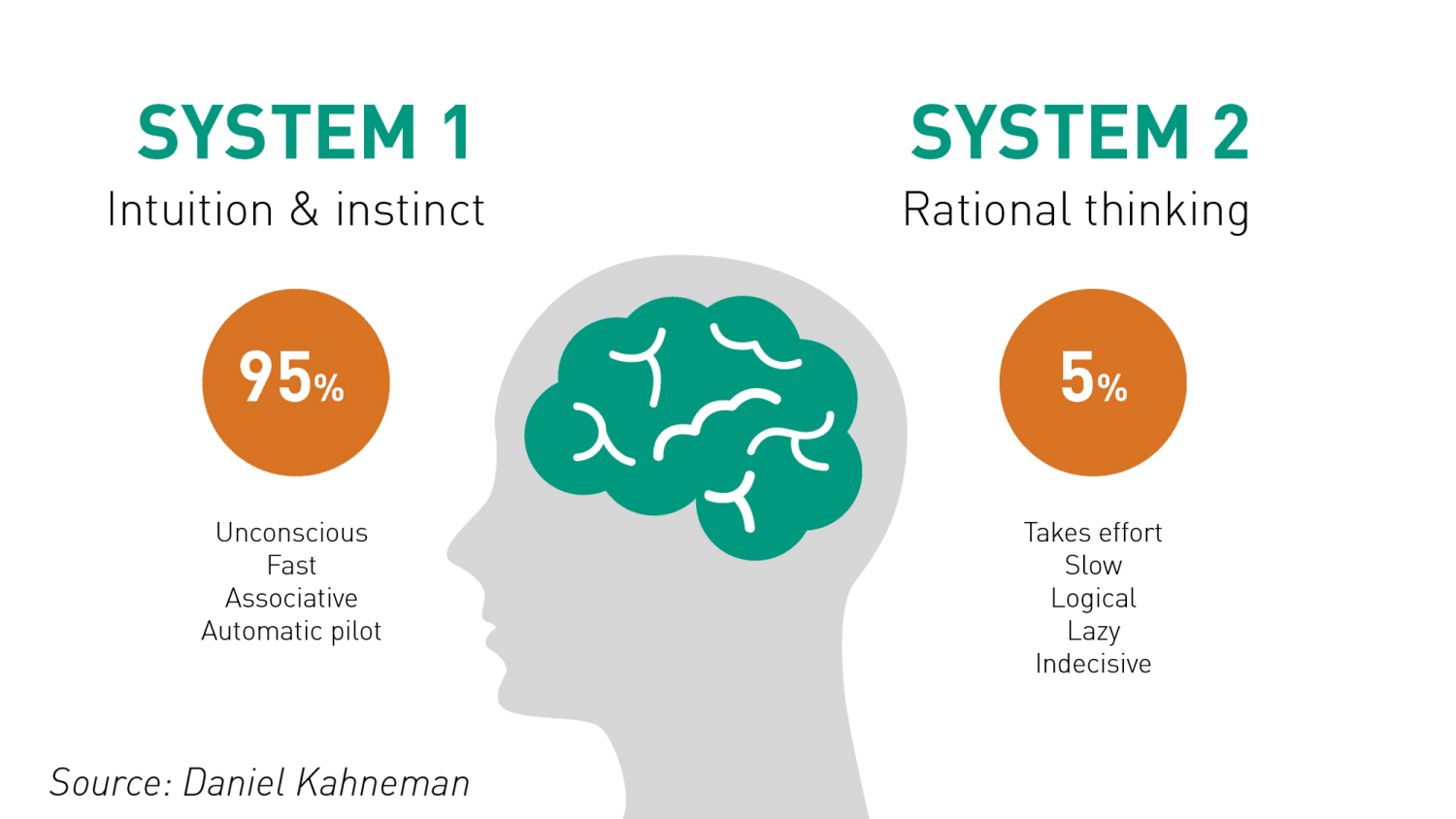
Every day, consumers make countless choices. Some decisions are simple, like which bread you buy at the supermarket, while others are more complex, such as choosing a new subscription or a new car. But how do people actually make decisions about prices? This process can be understood through the idea of two different ways of thinking: System 1 and System 2. These concepts, introduced by psychologist Daniel Kahneman, are crucial for understanding how consumers respond to prices and how companies can strategically leverage this.
What are System 1 and System 2?
According to Kahneman, there are two ways our brain makes decisions: 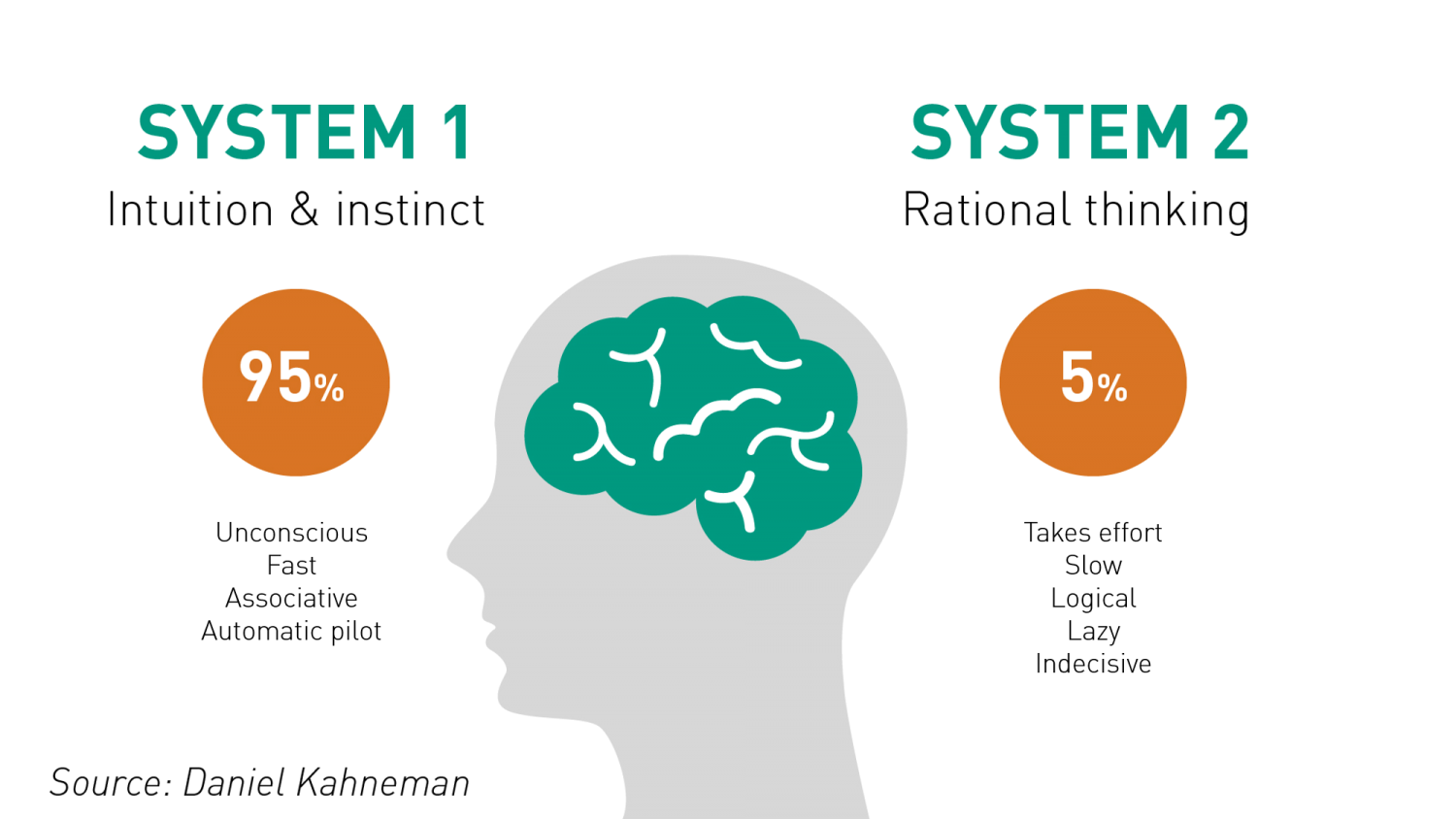
-
System 1 is fast, automatic, and intuitive. It operates based on experiences, patterns, and instincts. We use System 1 when we make simple, everyday decisions that require little effort, such as choosing a product we've bought many times before or quickly recognizing a deal.
-
System 2, on the other hand, is slower, more analytical, and conscious. This system is activated when we think more about a decision, such as when purchasing an expensive product or choosing between multiple complex options. This system is more rational and requires more energy.
Both systems play a role in daily life and influence how we perceive and interpret prices. But what specific impact do these systems have on pricing decisions? Discover more about these systems and other secrets of pricing psychology in our comprehensive whitepaper >>
System 1: Intuitive pricing decisions
System 1 is fast and efficient. When consumers use this system, they rely on rules of thumb and heuristics, such as comparing prices based on previous experiences or remembering brands they trust. This quick, instinctive system comes into action especially for daily or less important purchases.
Examples of System 1 in pricing decisions:
-
Anchoring: Setting the reference point Anchoring is a powerful psychological principle that binds consumers to a specific reference point. When a customer sees a high price first, for example, it will function as an 'anchor'. All subsequent prices are unconsciously measured against this, making a slightly lower price suddenly seem much more attractive.
-
Framing: The way of presentation Framing is about how information is presented. The same price can be experienced differently, depending on the context in which it's offered. This makes framing a powerful tool in influencing price perception.
-
Priming: Preparing the mind Priming is a subtle process where consumers are influenced by previous experiences or exposure to certain information. By showing specific images, words, or themes before the price is presented, the perception of the price can be unconsciously adjusted.
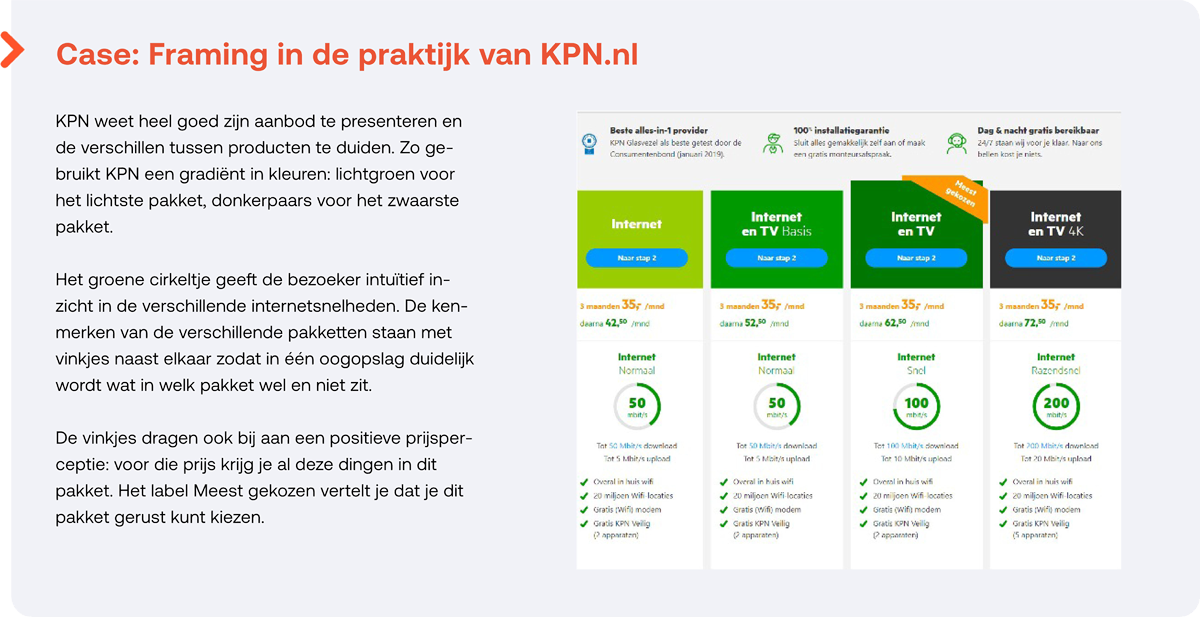 System 1 is often activated during impulsive purchases or when little time or effort is invested in the choice process. For companies, this means that the presentation of prices and the context in which they're shown can have a major influence on consumer decision-making. With unconscious price perception, System 1 is primarily targeted. When consumers become aware of this, it can trigger a shift toward System 2.
System 2: Rational pricing decisions
System 2 comes into action when consumers spend more time considering their purchase. This system is more analytical and weighs all available information before making a decision. Consumers will compare prices, read reviews, and weigh the value of a product or service against the costs.
Examples of System 2 in pricing decisions:
-
Price comparisons: When a consumer navigates between different providers to find the best price for a phone subscription, they use System 2. Here, differences in costs and benefits are consciously examined, leading to a more thoughtful choice.
-
Cost-benefit analysis: For a major investment, such as buying a new car or taking out a mortgage, consumers take time to go through all possible options, analyze interest rates, and calculate how much they'll pay in the long term. This is System 2's domain.
-
Evaluating product features: In situations where customers evaluate not only the price but also the characteristics of a product or service, System 2 is engaged. When choosing a laptop, for example, consumers will look not only at the price but also at specifications, warranty conditions, and customer reviews.
Because System 2 requires more cognitive effort, it's important for companies to ensure that the information consumers need to make an informed choice is clear and accessible. Transparent pricing structures and easy comparisons can help facilitate the decision-making process in System 2. Discover more about these systems and other secrets of pricing psychology in our comprehensive whitepaper >>
How companies can respond to System 1 and System 2
Now that we know consumers make their decisions partly intuitively and partly analytically, how can companies apply this knowledge in their pricing strategies?
-
Target intuitive decisions with clear and attractive prices: Because System 1 works fast and intuitively, companies can benefit from techniques like anchoring, framing, and priming. This could involve presenting the price in a simple, rounded way, or using an "anchor price" to make a cheaper option seem more attractive.
-
Provide sufficient information for analytical consumers: When System 2 comes into play, consumers want as much information as possible to support their choice. This means companies must communicate clearly about pricing structures, the benefits of their products, and any additional costs. Ensure transparency to build trust with consumers.
-
Create a balance between both systems: Most consumers constantly switch between System 1 and System 2, depending on the purchase context. A good pricing strategy takes both ways of thinking into account. For a product where customers often make impulse purchases, an attractive and clear price is crucial. For products where customers invest more time and energy, detailed product information and price comparison are more important.
Conclusion
Understanding the duality between System 1 and System 2 is essential for developing an effective pricing strategy. System 1 is fast, intuitive, and influenced by external signals like anchor prices and brand trust, while System 2 is slower and more rational, based on conscious considerations and comparisons. By responding as a brand to both systems – with simple, attractive pricing for quick decisions, and transparent, detailed information for complex purchases – you can help consumers make choices in a positive way. This not only increases the chance of a purchase but also strengthens the perception of value that your brand offers. Want to know more about how you can optimize pricing strategies by responding to the psychology of the decision-making process? Download our whitepaper and discover how you can gain a competitive advantage with smart price perception!