Customers continuously navigate through a maze of digital interactions, and their experiences during this journey determine whether they convert or not. An effective and smooth online experience is the key to success in the ultra-competitive digital landscape. But how do you create a journey that not only meets customer expectations, but exceeds them? Here's a hint: success lies in the small things.
Small changes, big impact
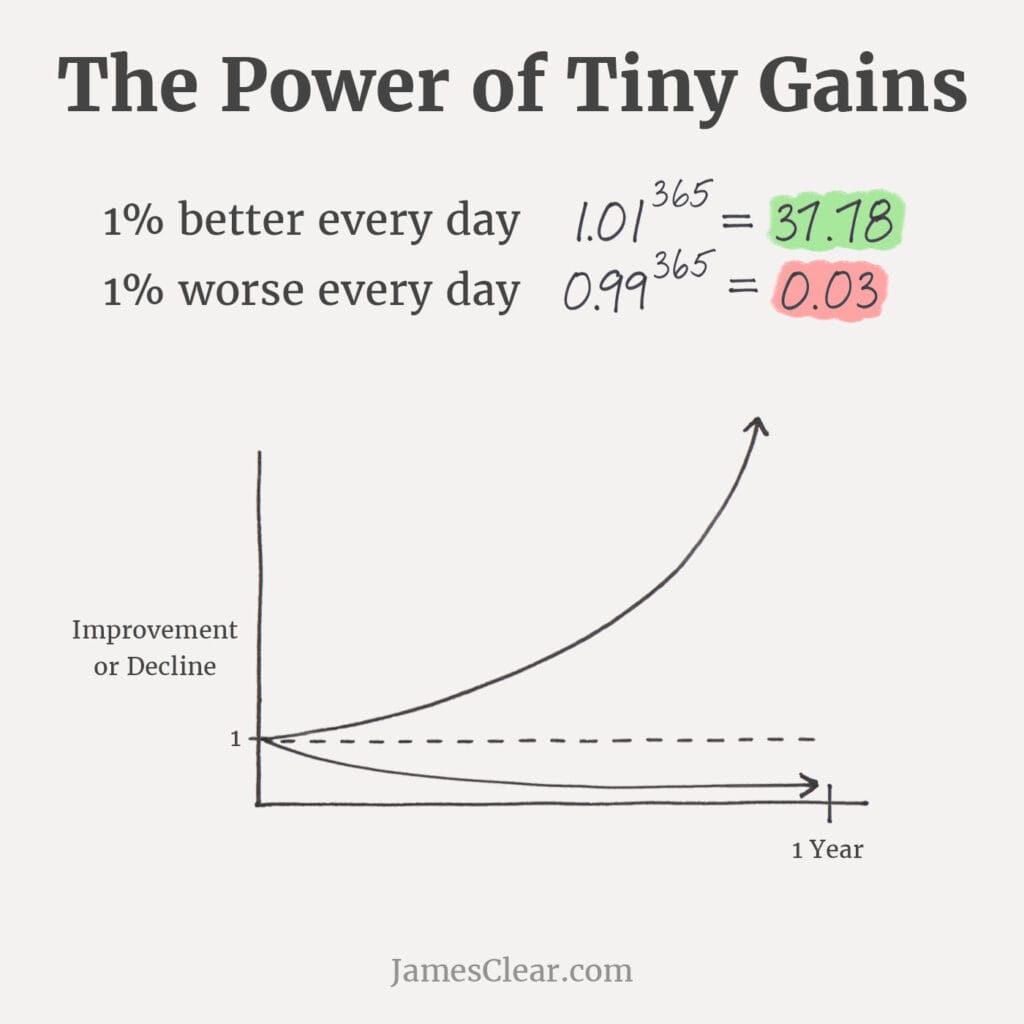
In the world of sports, the story of the British national cycling team is an inspiring example of how small changes can lead to great success. Before 2003, British cyclists were historically not particularly successful in cycling. But then came Sir Dave Brailsford with a new approach: the aggregation of marginal gains. Brailsford believed that if you improve every aspect of cycling by just 1%, all those small advantages together result in a significant performance improvement. 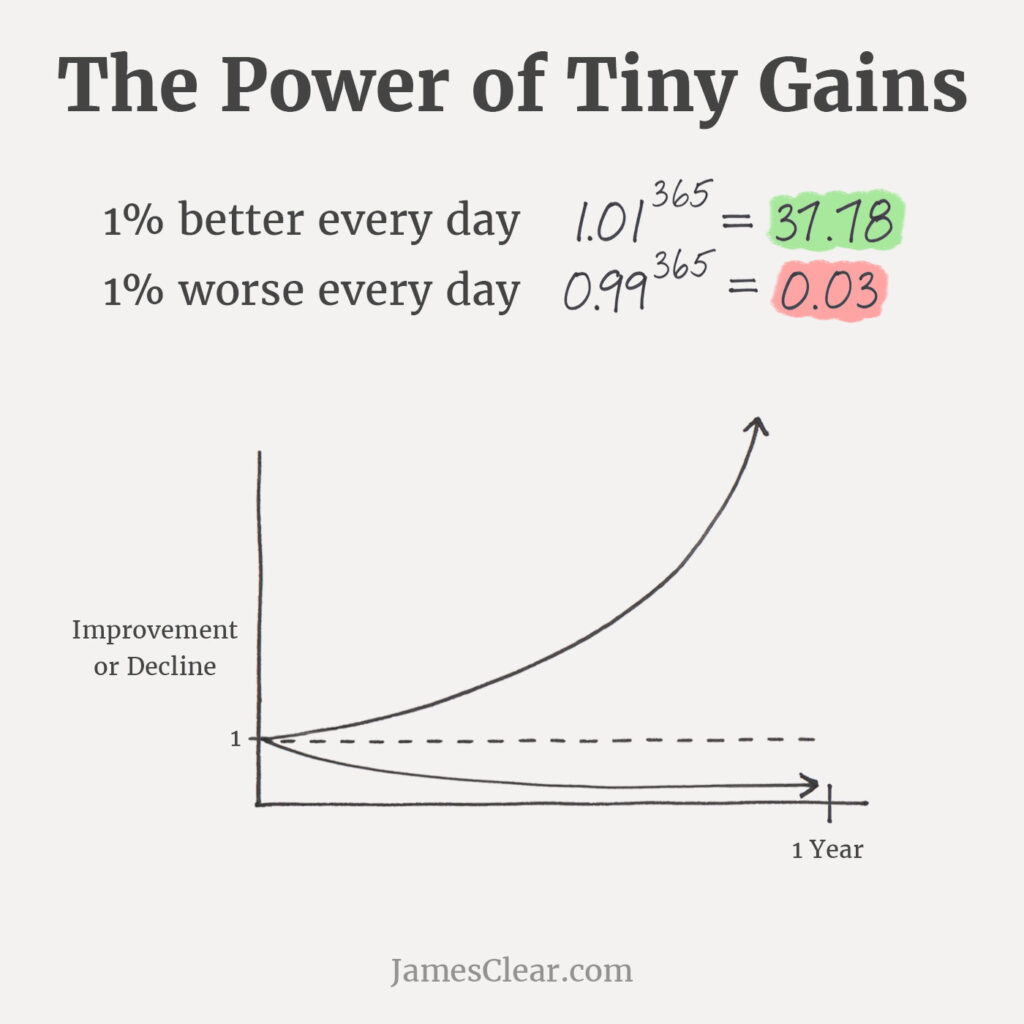 And that's exactly what happened. The team focused on details that were often overlooked by the competition - from the ergonomics of bike seats to optimal 'hand washing techniques' to prevent illness within the team. This approach led to overwhelming success, including multiple Tour de France victories. This philosophy can also be applied to the online customer journey. Just as in cycling, making small, strategic adjustments in the interaction between customer and brand can lead to significant improvements. Think about improving a webpage's loading speed, refining the user interface, or personalizing email communication. Each of these small adjustments can contribute to convincing your potential customer online and strengthening brand loyalty.
Choice overload at Bol.com
Imagine: you're standing in a store surrounded by hundreds of washing machines, each with different functions, prices and brands. Your hands start sweating and you become slightly overwhelmed: choice stress kicks in. Now, transfer that experience to the digital world of Bol.com's electronics department. You might be sitting more relaxed, but here too you have an overwhelming range of possibilities.  Bol.com understands that in the complex world of electronics, where products like air conditioners, washing machines, and cameras are technically complex and expensive, choice stress runs high. It's a barrier that prevents customers from converting. How does Bol.com handle this? Also check out our masterclass with bol.com: How to optimize your online customer journey by looking outward The key lies in understanding the two systems in our brain: system 1, which reacts quickly and often unconsciously, and system 2, which works slower and more deliberately. Bol.com's strategy is aimed at appealing to system 1 while relieving system 2.
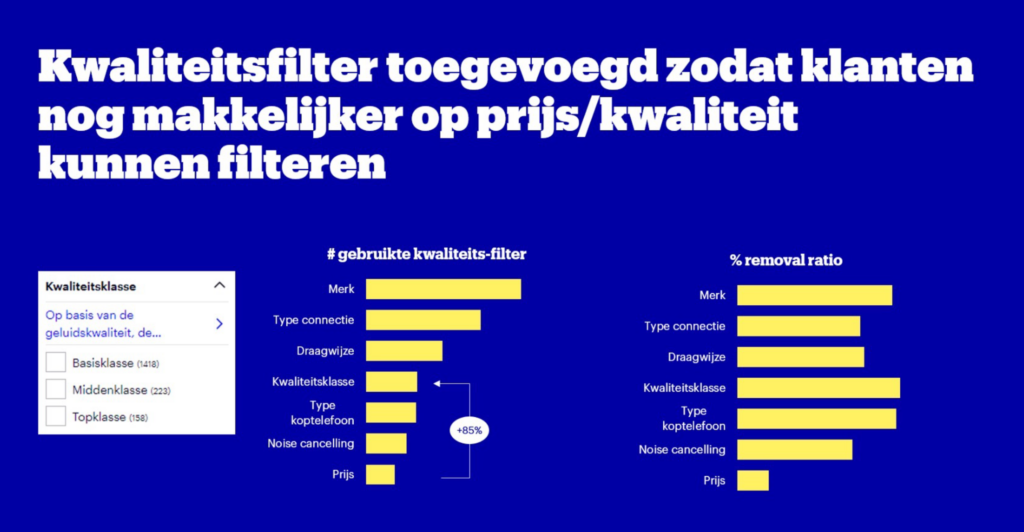
 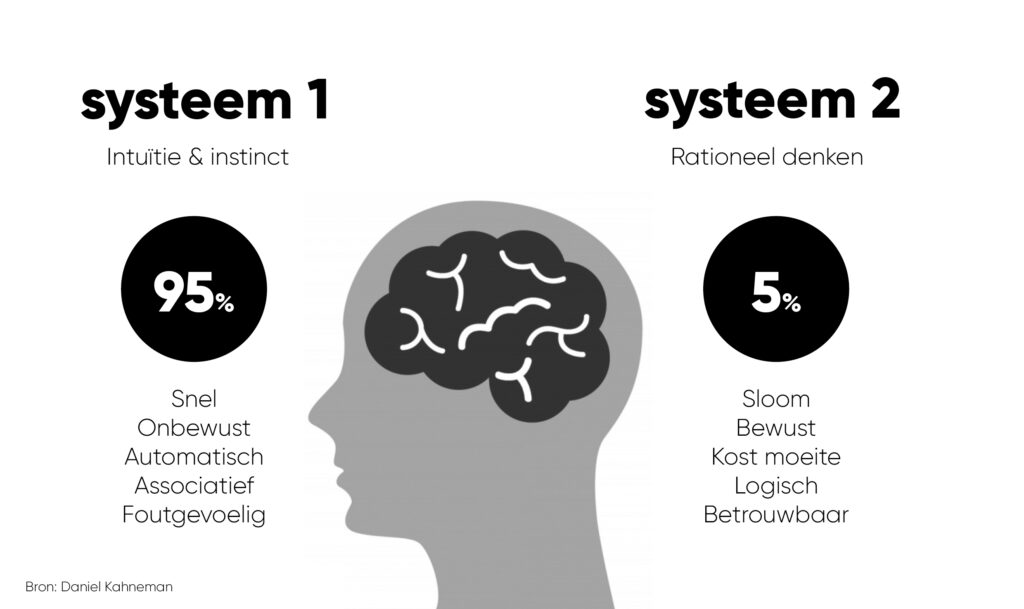 How do they achieve this? Bol.com has optimized the scannability of their website, so products and information can be found quickly. They also recently introduced a quality class filter - which helps customers select more easily based on quality. This filter is not only used very frequently, it also has an impact on online conversion, demonstrating that customers need simple tools to make quality decisions.
  But this isn't all Bol.com does to appeal to these systems. The e-commerce giant also uses smart algorithms to reduce the number of results shown. This way, they avoid 'cognitive overload'. Searching for a specific product like a 'Sonos speaker' leads directly to the most relevant products. So Bol.com reduces choice stress not only by reducing the number of options, but also by putting the most relevant options first - a subtle nod to system 1, where the customer is intuitively guided toward the right choice.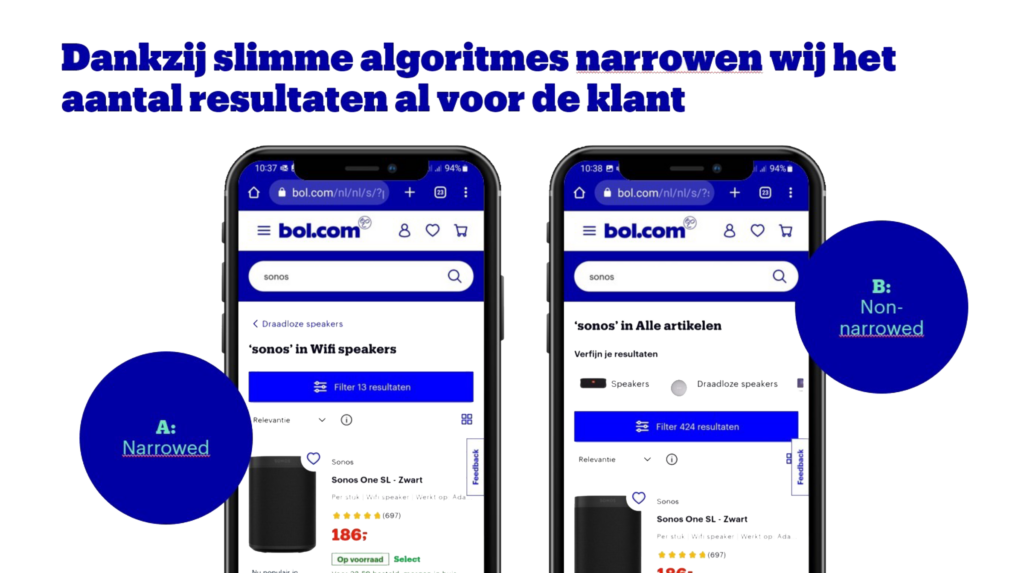
The result
Through these strategic changes, Bol.com creates a smooth digital experience that activates system 1 and relieves the burden on system 2. The customer can navigate quickly, efficiently and with confidence, where the digital journey feels as intuitive as the most natural human interactions. The lesson from the British cycling team about marginal gains is beautifully applied here: every small detail counts and great success lies hidden in the sum of these details. Bol.com's approach shows that it's possible to transform a world full of complex choices into a pleasant, almost effortless discovery journey for the customer.
This is what you should take away!
Small adjustments, comparable to the British cycling team's approach with marginal gains, can have an enormous impact on online customer experience - as Bol.com also shows. Understanding customer behavior and needs is essential. This illustrates that even small details make a significant difference and that every organization can improve the online experience by implementing these principles.